
Hands-on Experience
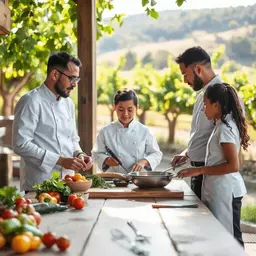
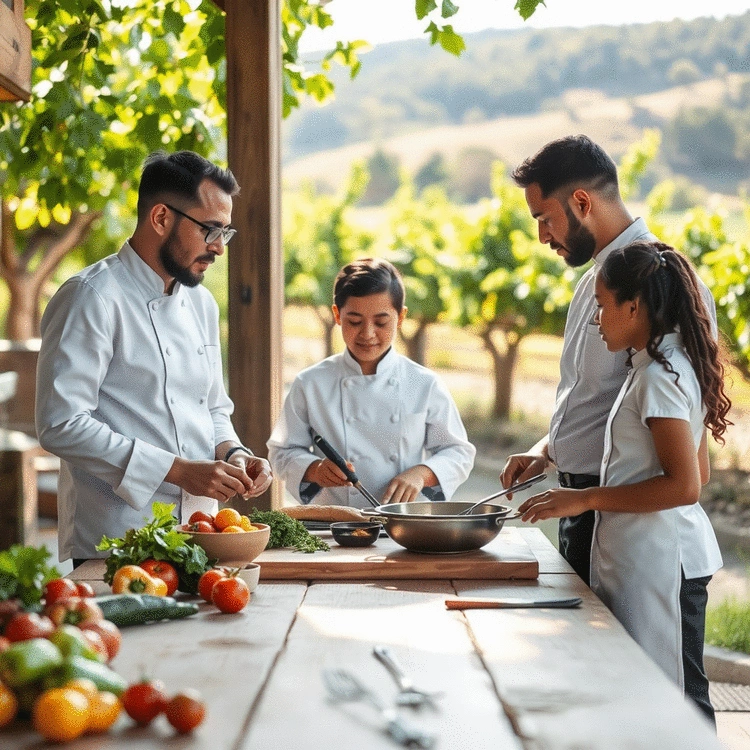
Practical training in real kitchens enhances skills and builds confidence.
2026-02-06
In Napa Valley's culinary world, mentorship isn’t just a stepping stone; it’s the foundation that elevates aspiring chefs into industry leaders. With a legacy of esteemed chefs like Thomas Keller paving the way, the impact of mentorship resonates deeply throughout the region. How can these mentor-mentee relationships transform raw talent into culinary excellence? Let’s explore the essential lessons learned from this vibrant culinary ecosystem.
The culinary mentorship experience helps shape the careers of aspiring chefs in various ways. Below is a visual representation of the key takeaways regarding mentorship in Napa Valley:
Practical training in real kitchens enhances skills and builds confidence.
Mentorship creates networks that support collaboration and innovation among chefs.
Mentors equip mentees with the knowledge to navigate contemporary culinary movements.
Many mentors advocate for eco-friendly practices, instilling a sense of responsibility in the next generation of chefs.
The vibrant culinary scene of Napa Valley is not just a feast for the senses; it's also a nurturing ground for aspiring chefs through the power of culinary mentorship. Mentorship plays a crucial role in shaping the careers of many talented chefs, guiding them through the complex world of flavors, techniques, and restaurant operations. At Napa Tastes, we believe these mentorship relationships are vital stories that connect the past to the future of our culinary culture. For more insights into the region's culinary talent, explore our features on Napa Valley's Culinary Talent Uncovered.
Mentorship is about more than just teaching; it’s about fostering a passion for food and the culinary arts. A good mentor inspires, shares wisdom, and challenges their mentees to grow. Have you ever wondered how some of Napa Valley's most celebrated chefs got their start? It's often through the guidance of experienced mentors who show them the ropes and help polish their skills.
So, what exactly is culinary mentorship? At its core, it's a relationship where an experienced chef—often referred to as a mentor—shares their knowledge, skills, and experiences with an aspiring chef. This relationship can range from formal programs at culinary schools to informal arrangements in professional kitchens. The significance of this mentorship lies in its ability to not only teach techniques but also cultivate a deep appreciation for the culinary arts.
In Napa Valley, where the culinary scene is bursting with innovation, mentorship is especially important. Many chefs find their unique culinary voices through the guidance of those who have walked the path before them. This process helps preserve rich traditions while encouraging new ideas and flavors to emerge!
Culinary mentorship can take many forms, each tailored to the needs of the chef-in-training. Some chefs may seek out a mentor within a restaurant where they work, while others may turn to culinary schools or programs designed specifically for mentorship. The beauty of this relationship is that it adapts to the individual’s journey, creating a personalized path in the culinary world.
Through mentorship, aspiring chefs gain more than just technical skills; they also learn about the business side of cooking, including restaurant management, menu creation, and customer engagement. These insights are invaluable as they prepare to step into the culinary arena themselves.
The role of mentorship in shaping culinary careers cannot be overstated. It serves as a launching pad for young chefs, providing them with the essential tools and confidence they need to succeed. Have you ever thought about the stories behind your favorite dishes? Many of these narratives begin with a mentor guiding a chef through their first attempts at creating something extraordinary.
As we explore the stories of Napa Valley chefs, it becomes clear that mentorship is often the common thread that weaves through their career journeys. It creates a rich tapestry of knowledge and experience, sharing secrets of the trade that might otherwise remain hidden. For more inspiring journeys, read about Napa Valley Chefs' Inspiring Journeys.
In Napa Valley, the relationship between chefs and their mentors is often built on mutual respect and shared passion for food. Many renowned chefs, like Thomas Keller and Cindy Pawlcyn, have emerged from this supportive environment, demonstrating the profound impact mentors can have in cultivating talent. These relationships not only influence cooking styles but also encourage a sense of community and collaboration within the vibrant Napa culinary scene.
Moreover, the mentorship dynamic extends beyond the kitchen. Chefs often become lifelong friends and collaborators, working together on new projects and initiatives. I’ve seen firsthand how these connections enrich the food culture of Napa Valley, making it a unique destination for culinary exploration!
Thomas Keller, a name synonymous with culinary excellence, has not only shaped his own career but also mentored a generation of chefs eager to learn from his expertise. His restaurants, like The French Laundry, have become training grounds for many aspiring chefs who aspire to reach the same heights. Similarly, Cindy Pawlcyn, known for her innovative dishes and commitment to local ingredients, has inspired countless chefs through her mentorship.
These culinary giants have set the standard for what it means to be a mentor in Napa Valley, demonstrating the value of sharing knowledge and supporting the next generation of chefs. Their legacies are felt throughout the region, as they continue to influence and inspire through their work.
The Culinary Institute of America (CIA) stands out as a vital hub for aspiring chefs in Napa Valley. It offers a rigorous curriculum that combines hands-on training with theoretical knowledge, preparing students for their culinary careers. The CIA’s esteemed faculty, which includes experienced chefs and industry leaders, fosters an environment where mentorship thrives.
Students at CIA benefit from a structured mentorship program that pairs them with chefs who guide them through their educational journey. This experience is crucial in helping them build confidence and hone their skills before they step into the professional world. Imagine being surrounded by passionate culinary enthusiasts; it’s an inspiring place to learn!
Here's a brief recap of the key points discussed so far:
As we explore the vibrant culinary scene of Napa Valley, it’s clear that mentorship plays a critical role in shaping the careers of aspiring chefs. These relationships create a tapestry of knowledge, experience, and creativity that not only enriches individual journeys but also strengthens the culinary community as a whole. It’s fascinating to witness how mentorship can transform raw talent into culinary excellence!
Throughout this journey, we’ve seen how established chefs guide their mentees through the complexities of the culinary world. This guidance can manifest in various forms, from hands-on training in bustling kitchens to insightful feedback during menu development. It’s about *nurturing potential* and fostering a shared passion for food that defines the very essence of Napa Valley's culinary landscape.
Reflecting on the stories shared, it's clear that the mentorship experience is filled with invaluable lessons. Here are some key takeaways from the role of mentorship in culinary success:
These insights not only highlight the *significance of mentorship* but also showcase how it prepares chefs for the challenges and opportunities that lie ahead in their culinary careers. The journey of mentorship doesn’t end with success; it fosters a continuous cycle of learning and growth.
The future of culinary mentorship looks promising in Napa Valley! As more chefs recognize the value of sharing knowledge, we can expect to see an increase in mentorship programs that reach a wider audience. There's a growing commitment to creating inclusive environments where aspiring chefs from diverse backgrounds can thrive.
Furthermore, with the rise of technology and social media, mentorship is evolving. Chefs now connect with mentees beyond the kitchen through virtual workshops and online communities. This accessibility opens doors for those who may not have had the chance to learn in traditional settings. Do you think mentorship will take on new forms as we move forward? It's an exciting prospect!
Are you looking to find a culinary mentor in Napa Valley? Connecting with local chefs and culinary enthusiasts can be a rewarding way to kickstart your culinary journey. Here are some steps to help you on your search:
By taking these steps, you can immerse yourself in Napa Valley's *culinary community*, where mentorship thrives and passion for food flourishes! For a taste of the local dining scene, check out our guide to Dining in Yountville on Vacation.
As interest in culinary mentorship grows, I often receive questions about how it works. Here are some common inquiries:
These questions reflect the evolving nature of mentorship in our culinary world. Whether you’re a seasoned chef or just starting out, engaging with mentors can lead to inspiring culinary adventures!
Culinary institutions play an essential role in mentorship, providing a foundation for aspiring chefs. *Institutions like the Culinary Institute of America* have long been a vital resource for learners, linking them with experienced mentors who are invested in their success.
Here’s how these institutions contribute to the mentorship landscape:
These connections can pave the way for successful culinary careers, as seen in many Napa Tastes features highlighting local talent. It’s thrilling to think about the potential for growth and innovation that these institutions foster!
Another notable institution is the Napa Valley Wine Academy, which focuses on the intersection of food and wine education. This academy not only teaches the art of pairing but also emphasizes the importance of mentorship in developing a well-rounded culinary professional.
Here’s what the Napa Valley Wine Academy offers:
This synergy between mentorship and education ensures that Napa Valley continues to produce talented chefs who are passionate about their craft. The community thrives because of these essential connections!
Here is a quick recap of the important points discussed in the article:
Embark on a culinary journey through Napa Valley with Lydia Carmichael, your guide to the vibrant food culture. Discover in-depth restaurant reviews, engaging chef interviews, and the best local food festivals that celebrate the authentic tastes of our region.